Core Basic Indicators of Lubricants: Viscosity & Pour Point
Viscosity judges a lubricant’s flowing capacity.
It keeps protective oil films on friction parts under high heat.
It feeds moving components with enough lube oil in low-temperature environments.
It controls friction loss, abrasion and service lifespan of metal contact surfaces.
For engine oils, working oil pressure directly reflects real viscosity improvers performance.
We adopt multiple viscosity benchmarks to grade engine oil quality at Motechshield.
These indexes cover 100°C kinematic viscosity, cold dynamic viscosity and low-temp pumping limit.
They also include HTHS viscosity, multigrade oil shear stability and main gallery engine oil pressure.
Pour point means the minimum temperature for chilled lube oil to keep flowing under fixed test rules.
Cloud point refers to the peak temperature when cooled oil stops surface movement.
Engineers mark both two values with Celsius (°C).
Pour point checks low-temperature flow ability for lube and fuel oils.
This test index has minor accuracy limits in actual industrial testing.
For identical oil batches, pour point runs 2~3°C higher than cloud point in most cases.
Cloud point dominated early industry tests, but pour point becomes global standard now.
Cloud point links closely with solid paraffin inside base oil.
Pour point relies on total wax content and wax crystal structure.
Different base oil types, grades and refining levels change pour point depressant matching plans.
Viscosity Improvers & Pour Point Depressants: Key Lubricant Additives from Motechshield
Viscosity improvers and pour point depressants belong to high-molecular petroleum additives.
They modify oil rheology under high and low working temperatures.
They impact high-temperature sludge buildup, filterability and vehicle exhaust emission.
They also support R&D of fuel-efficient lubricant formulas.
All lube formulators must prioritize these two critical additive categories.
Basic Feature of Pour Point Depressant
Pour point depressants use water-soluble linear high-molecular polymers as raw material.
Their molecular chains carry alkane-like alkyl side chains.
This special structure forms unique comb-type polymer chains for wax crystal control.
Common types of pour point depressants include:
Alkyl naphthalene

Polymethacrylate:
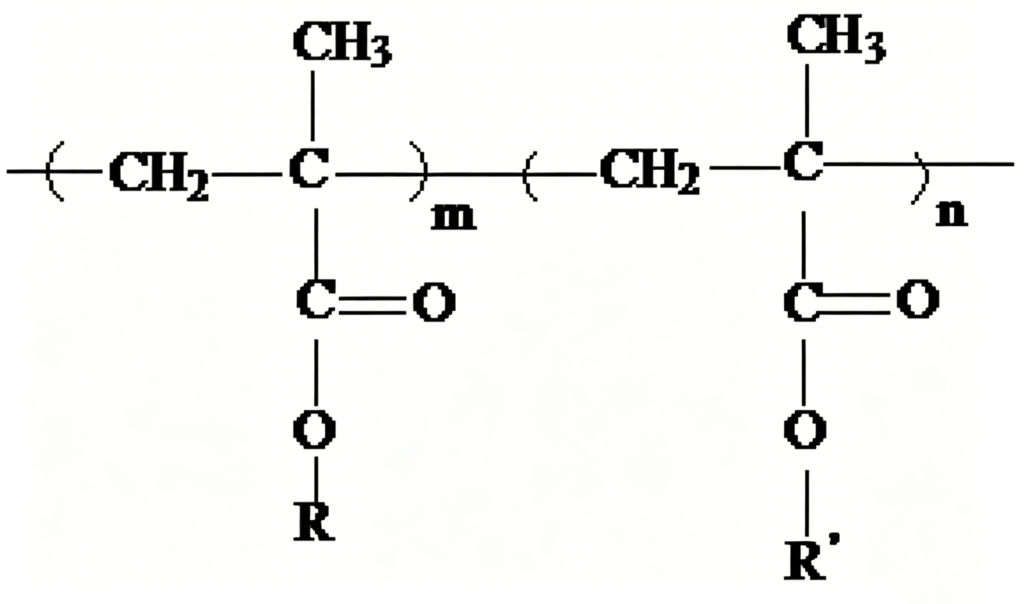
Poly-alpha-olefin:

Vinyl acetate/butadienedioic acid copolymer:
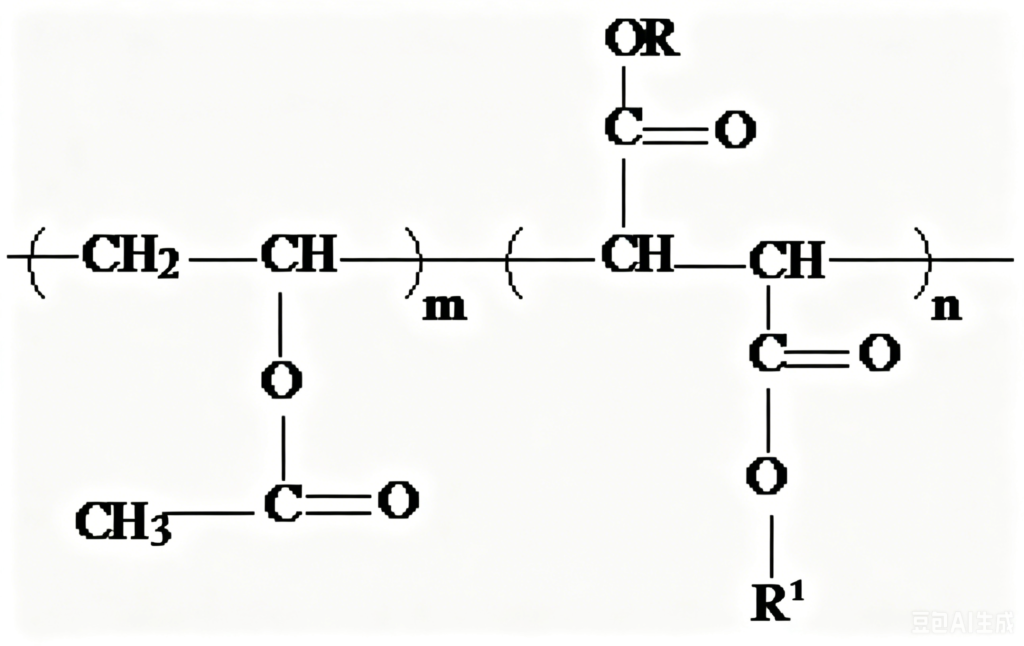
The mechanism of action of the anti-foaming agent will be discussed in the next section. (To be continued)
Author: Li Yunpeng, Institute of Petrochemical Science, Professor, Senior Engineer, and Postgraduate Supervisor. After graduating as a postgraduate from Nankai University in 1987, he joined the Institute of Petrochemical Science and has been engaged in the research and development of lubricating oils and additives for nearly 30 years. He has published over 70 papers in domestic and international academic journals, holds 15 invention patents, and the products he led in developing have won the first prize of national science and technology once, along with several other awards.